While traditional HVAC techs average $56,000 annually, specialized liquid cooling systems technicians in data centers are commanding $75,000-$95,000 in 2026. The gap exists because most techs don’t know which liquid cooling systems tech licensure actually matters. Here’s exactly what you need to make this career transition work.
Table of Contents
- What certifications do you need to work on liquid cooling systems?
- How much do liquid cooling technicians make in 2026?
- Which liquid cooling certification program is best for beginners?
- ByteBridge FLCC vs. Traditional HVAC Certifications
- Do you need an HVAC license to work on data center liquid cooling?
- What’s the difference between immersion cooling and direct liquid cooling certifications?
- How long does it take to become a certified liquid cooling technician?
- Which states require licensing for liquid cooling system work?
- Career Path: From Entry-Level to Liquid Cooling Specialist
- FAQ: Liquid Cooling Systems Tech Licensure
- Frequently Asked Questions
- How to get CTI certification?
- What is CTI standard STD 201?
- What is a CTI certified cooling tower?
What certifications do you need to work on liquid cooling systems?
The EPA 608 certification is your starting point — no exceptions. Every liquid cooling system uses refrigerants, and touching that equipment without 608 certification will get you fired and potentially fined. Most data centers require Type II (high-pressure) or Universal certification, not just the basic Type I.
The kicker is that general HVAC knowledge isn’t enough anymore. Data centers run 24/7 at precise temperatures, and a single cooling failure can cost $100,000+ per hour in downtime. You need specialized training on coolant distribution units (CDUs), heat exchangers, and the monitoring systems that keep AI servers from cooking themselves. Safety certifications for coolant handling are becoming mandatory too — these aren’t water systems, and some coolants require chemical handling protocols.
Most employers want to see foundational liquid cooling training on top of your EPA cert. The ByteBridge FLCC (Foundational Liquid Cooling Certification) has become the industry standard, but several data center operators also accept IDCA (International Data Center Authority) certifications. Skip the online-only programs — hands-on experience with actual CDUs and immersion tanks separates real candidates from paper techs.
How much do liquid cooling technicians make in 2026?
Entry-level liquid cooling specialists start around $65,000-$75,000 in most markets, with experienced specialists hitting $85,000-$110,000. That’s a $15,000-$20,000 premium over general HVAC work, and it’s only growing as AI data centers expand. The overtime opportunities are insane — emergency cooling repairs pay time-and-a-half, and some techs clear six figures just on call-out work.
Regional variations are huge though. San Francisco Bay Area liquid cooling specialists average $95,000-$125,000 base salary, while smaller markets like Kansas City hover around $60,000-$80,000. The sweet spot is secondary tech hubs — Austin, Denver, Atlanta — where cost of living is reasonable but data center demand is exploding. Contract work pays even better: $40-$60 per hour for experienced techs with security clearances.
The real money is in specialization bonuses. Immersion cooling specialists command an extra $10,000-$15,000 annually because so few techs understand dielectric fluids. AI workload cooling expertise can add another $5,000-$8,000 to your base salary since these systems require different cooling approaches than traditional servers.
Which liquid cooling certification program is best for beginners?
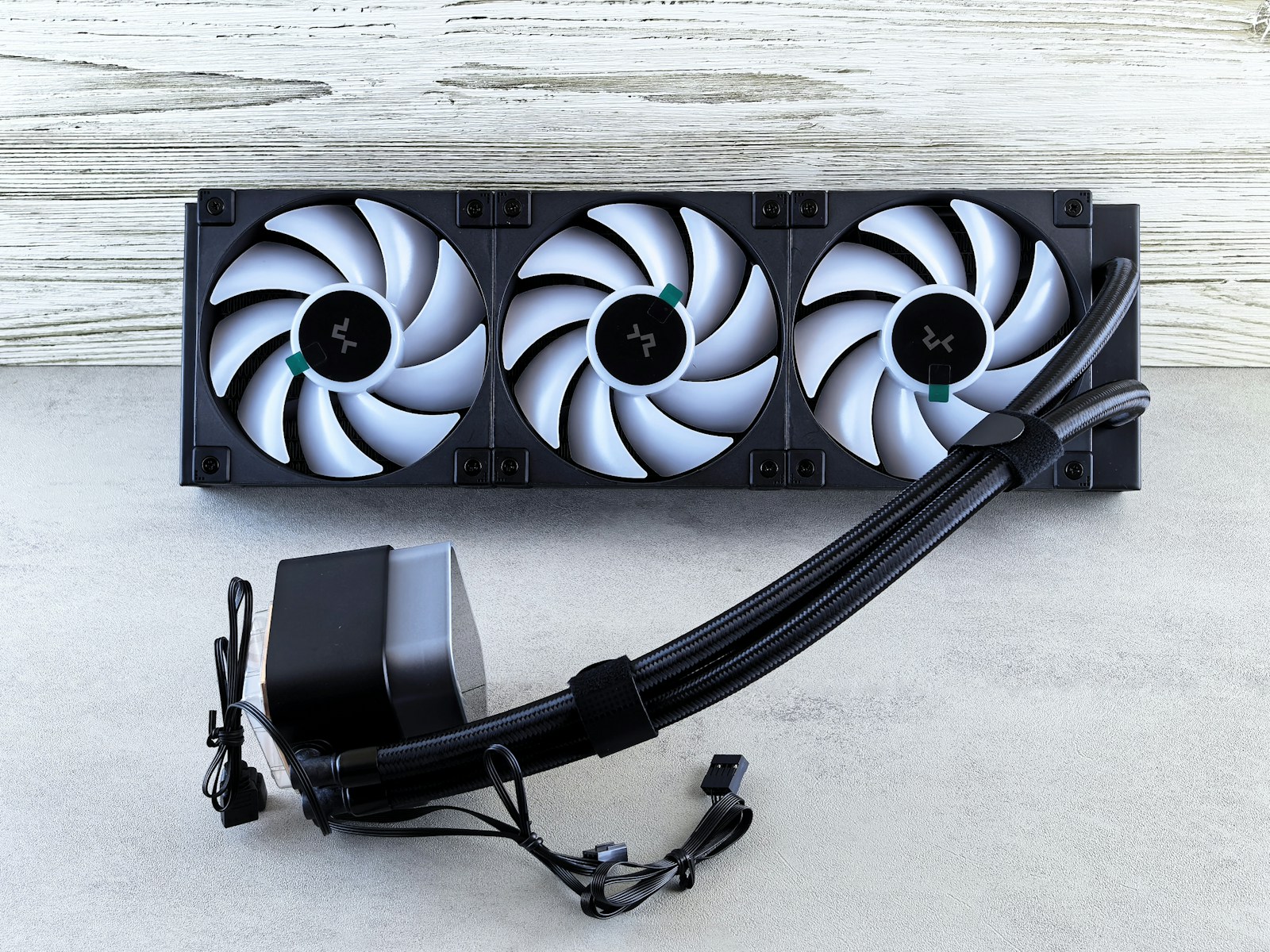
Featured image: Photo by Andrey Matveev on Unsplash — original
ByteBridge FLCC is the gold standard for good reason — their curriculum was built with input from Microsoft, Google, and Meta data center teams. The program costs $2,800 and takes 4-6 weeks if you already have HVAC experience. They provide hands-on training with real CDUs, not just theory, and their job placement rate is 89% within six months.
IDCA offers a cheaper alternative at $1,900, but their program is more academic and less hands-on. It works if you’re already working in data centers and need the credential, but don’t expect much practical skill development. The Data Center Cooling Institute (DCCI) runs a solid program for $2,200, though their waiting lists are getting longer as demand increases.
Avoid the $500 online-only programs flooding the market in 2026. These certificate mills won’t prepare you for real cooling emergencies, and most data center operators have blacklisted them. If a program doesn’t include time with actual liquid cooling systems hardware, you’re wasting your money and time.
ByteBridge FLCC vs. Traditional HVAC Certifications
The FLCC focuses exclusively on data center liquid cooling systems — CDUs, immersion tanks, direct-to-chip cooling, and the monitoring software that controls everything. Traditional HVAC programs teach residential and commercial building systems that have little overlap with data center cooling. You’ll learn about dielectric fluids, server rack thermal management, and redundancy protocols that don’t exist in regular HVAC work.
Job market advantages are clear: FLCC graduates average $8,000 higher starting salaries than general HVAC techs entering data centers. The certification also fast-tracks you past entry-level data center positions since you already understand the cooling systems that cause most operational headaches. The cost difference ($2,800 vs. $4,000+ for extensive HVAC training) makes it a smart investment if you’re targeting data center work specifically.
Do you need an HVAC license to work on data center liquid cooling?
State requirements vary wildly, and this is where most people get confused. In 23 states, liquid cooling system work requires an HVAC contractor’s license if you’re doing installation or major repairs. But many data centers classify routine maintenance as “equipment servicing” that doesn’t require contractor licensing — just EPA 608 certification and employer training.
The gray area is huge. California requires HVAC licensing for any work on systems over 25 tons capacity, and most data center cooling systems exceed this. Texas exempts data center “equipment maintenance” from licensing requirements if you’re employed by the facility owner. Florida recently clarified that liquid cooling counts as refrigeration work, requiring appropriate licensing.
Check with your state board before starting work, and don’t trust what data center recruiters tell you about liquid cooling systems tech licensure requirements. They’re often wrong, and working without proper licensing can result in fines and criminal charges in some states. The safest approach is getting your HVAC license anyway — it opens more job opportunities and provides legal protection.
What’s the difference between immersion cooling and direct liquid cooling certifications?
Immersion cooling involves submerging entire servers in dielectric fluid, while direct-to-chip cooling uses liquid coolant lines connected to CPU and GPU heat sinks. The certification requirements are completely different because the failure modes and safety protocols don’t overlap. Most techs specialize in one or the other, not both.
Immersion cooling certification focuses on dielectric fluid chemistry, tank monitoring systems, and the pumping equipment that circulates coolant. You’ll need chemical handling certifications because these fluids can be toxic or flammable. The training covers leak detection, fluid replacement procedures, and the specialized fire suppression systems used in immersion facilities. Only about 12% of data centers use immersion cooling in 2026, but those jobs pay premium rates.
Direct-to-chip cooling is more common and focuses on precision coolant distribution, heat exchanger maintenance, and the complex plumbing that connects to individual server components. The certification covers leak prevention (liquid near electronics is always risky), pressure monitoring, and the quick-disconnect systems that allow server maintenance without draining coolant lines. AI workloads are driving massive demand for direct-to-chip cooling since traditional air cooling can’t handle the heat density.
How long does it take to become a certified liquid cooling technician?
Fast-track programs can get you certified in 8-12 weeks if you already have HVAC or electrical experience. ByteBridge FLCC takes 4-6 weeks of intensive training, followed by 2-4 weeks of job placement support. IDCA certification requires 6-8 weeks of study plus hands-on practicum time at approved facilities.
The traditional pathway through community college HVAC programs takes 6-18 months, but includes broader mechanical knowledge that helps with career advancement. Most programs now offer liquid cooling specialization tracks that add 4-6 weeks to standard HVAC training. The extra time investment pays off — graduates with combined HVAC and liquid cooling credentials start $5,000-$8,000 higher than fast-track certification holders.
Continuing education is mandatory in this field. Cooling technology changes every 12-18 months as chip densities increase and new coolants are developed. Budget 40-80 hours annually for recertification and technology updates, plus vendor-specific training when new equipment is deployed.
Which states require licensing for liquid cooling system work?
California, Texas, Florida, New York, and Illinois have the strictest licensing requirements for data center cooling work. California requires HVAC contractor licensing for any system over 25 tons, and most data center cooling exceeds this threshold. Texas recently updated regulations to include “technological cooling systems” under HVAC licensing requirements.
Northeastern states (Massachusetts, Connecticut, New Jersey) generally require HVAC licensing for installation work but exempt routine maintenance. Mountain West states (Colorado, Arizona) have minimal licensing requirements, making them attractive for traveling techs. Federal facilities follow different rules — military bases and government data centers often require security clearances but may waive state licensing requirements.
The licensing landscape changes annually as states try to regulate emerging technologies. Virginia just passed legislation requiring specialized certification for immersion cooling systems, while North Carolina is considering similar requirements. Stay updated through your state contractor board and industry associations — being caught working without proper licensing can end your career.
Career Path: From Entry-Level to Liquid Cooling Specialist
Most techs follow a predictable progression: entry-level data center technician ($45,000-$55,000) to cooling systems specialist ($65,000-$85,000) to senior thermal management engineer ($85,000-$120,000). The timeline typically takes 3-5 years with proper certifications and performance. Skip levels by specializing in high-demand areas like AI workload cooling or immersion systems.
Leadership opportunities open up fast in this growing field. Cooling systems supervisors at major data centers earn $95,000-$130,000, while facility thermal managers can hit $140,000+ with equity compensation. The key is combining technical expertise with project management skills — most cooling projects involve multiple trades and tight deadlines.
The industry is projecting 40% growth in liquid cooling systems positions through 2028, driven by AI data center expansion and increasing rack densities. Get your certifications now while training slots are available and competition is relatively light.
FAQ: Liquid Cooling Systems Tech Licensure
Q: What certifications are needed to be a data center technician?
A: EPA 608 certification is mandatory, plus specialized liquid cooling training like ByteBridge FLCC or IDCA certification for cooling-focused roles.
Q: How to become a data center HVAC technician?
A: Complete EPA 608 certification, get specialized liquid cooling training, and check your state’s HVAC licensing requirements for data center work.
Q: Can I be a HVAC tech without going to school?
A: Yes, through apprenticeship programs and specialized certifications like ByteBridge FLCC, though formal HVAC training provides broader career options.
Q: What are the cooling requirements for data centers?
A: Data centers require 24/7 precision cooling with redundant systems, typically using liquid cooling for high-density AI workloads and traditional air cooling for standard servers.
—
Data centers can’t run without reliable cooling, and traditional air conditioning isn’t cutting it anymore. The techs who understand liquid cooling systems tech licensure requirements are writing their own tickets in 2026. Start with EPA 608 certification, add specialized liquid cooling training, and prepare for a career that combines good pay with job security in America’s fastest-growing infrastructure sector.
Frequently Asked Questions
How to get CTI certification?
CTI certification isn’t mentioned in the post content provided. However, to work in liquid cooling systems tech licensure, start with EPA 608 certification (Type II or Universal), then pursue specialized training like ByteBridge FLCC. Data centers increasingly require both credentials to handle refrigerants and advanced cooling systems safely, as downtime costs can exceed $100,000 per hour.
What is CTI standard STD 201?
CTI standard STD 201 isn’t mentioned in current liquid cooling systems tech licensure requirements. The industry focuses on EPA 608 certification and specialized training like ByteBridge FLCC. Check with your employer or local regulations, as standards may vary by region and facility type.
What is a CTI certified cooling tower?
A CTI certified cooling tower meets standards set by the Cooling Technology Institute for performance and safety. While the post focuses on liquid cooling systems tech licensure requirements like EPA 608 and specialized certifications for data center work, CTI certification specifically validates cooling tower efficiency and reliability in industrial applications.
Related: More liquid cooling systems tech licensure resources on TradesmanPass.