The data center boom is creating a goldmine for technicians — but most are missing out. While your buddy is still fixing desktop computers for $18/hour, data center operations technicians are pulling down $75K to $140K annually according to BLS data in markets like Silicon Valley and Northern Virginia. The catch? You need the right training and certifications, and most traditional IT programs (unlike electrician licensing which has clearer state-by-state paths) don’t cover what actually matters in critical facilities.
In this guide, we cover everything you need to know about becoming a data center operations technician in 2026.
Table of Contents
- What Training Do You Need to Become a Data Center Operations Technician?
- How Much Do Data Center Operations Technicians Make in 2026?
- Essential Certifications for Data Center Operations Work
- How Much Do Certifications Cost and How Long Do They Take?
- What’s the Difference Between Regular IT and Data Center Operations Work?
- How Long Does Data Center Operations Technician Training Take?
- Do Data Centers Require Special IT Experience?
- Which Companies Are Hiring Data Center Operations Technicians Right Now?
- Amazon Data Center Apprenticeships
- Google Data Center Facilities Programs
- Frequently Asked Questions About Data Center Operations Technician Careers
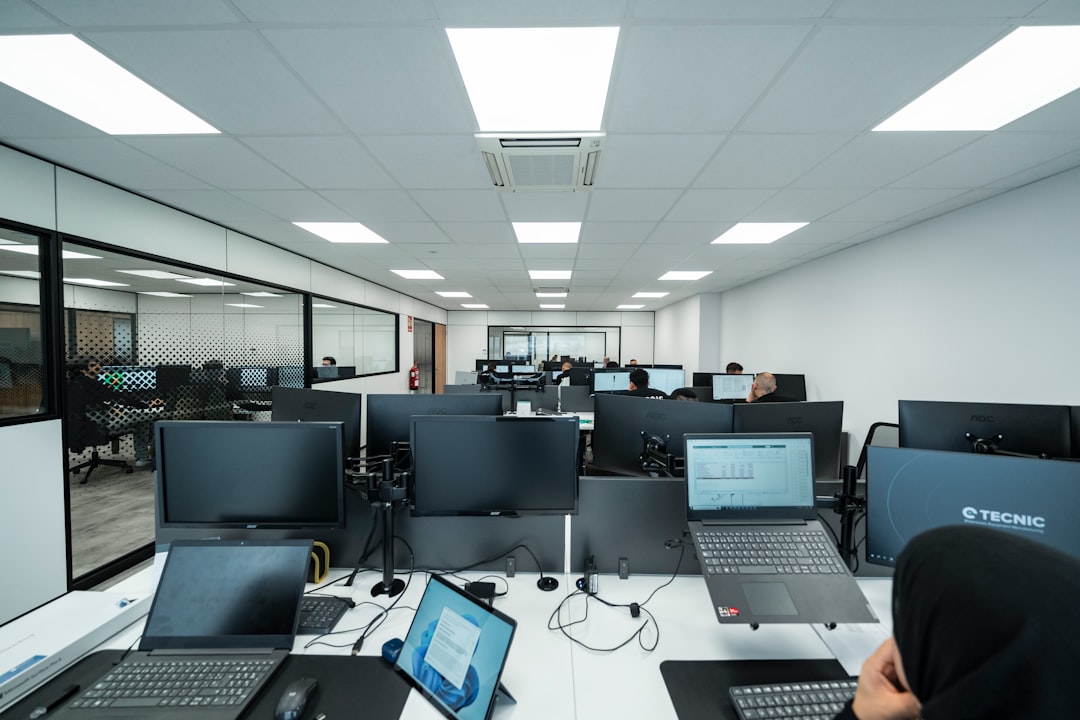
Data centers aren’t just bigger server rooms. They’re 24/7 operations where a single mistake can cost a company millions in downtime. That means higher standards, specialized knowledge, and significantly better pay for those who know what they’re doing.
What Training Do You Need to Become a Data Center Operations Technician?
You don’t need a four-year degree, but you do need CompTIA A+ certification — that’s non-negotiable. Every data center operations technician position I’ve seen requires basic IT hardware knowledge and troubleshooting skills. The days of learning everything on the job are over, especially in critical infrastructure.
Most successful data center operations technicians start with help desk or desktop support experience, but here’s what those jobs won’t teach you: data center infrastructure operates differently than anything you’ve seen. We’re talking about redundant power systems, enterprise networking equipment, and environmental controls (just as NEC code updates reshape electrical work) that need to maintain 99.99% uptime. Your typical IT support background helps, but it’s like knowing how to fix a bicycle and then jumping into NASCAR pit crew work.
Trade schools are pushing 12-month “data center technician” programs now, but honestly, they’re hit or miss. The good ones partner with actual data center operators like Equinix or Digital Realty for hands-on training. The bad ones are just taking your money and teaching you theory that won’t help when you’re replacing a failed server blade at 3 AM.
Skip the online-only programs. Data center operations work is hands-on, period. You need to physically work with server hardware, network switches, and environmental monitoring systems. If a program doesn’t have actual rack-mounted equipment for you to practice on, find a different program.
How Much Do Data Center Operations Technicians Make in 2026?
The numbers everyone throws around are real, but they’re not telling the whole story. Entry-level data center operations technicians in secondary markets like Atlanta or Phoenix start around $45K-$55K — still better than most help desk work, but not the six-figure dream. The big money comes with experience and location.
Here’s the breakdown that actually matters: Silicon Valley data center operations technicians with 3-5 years experience average $110K-$140K base salary, plus overtime that can push total comp over $160K. Northern Virginia (where AWS has massive operations) pays $85K-$115K for experienced techs. Texas markets like Dallas and Austin are hitting $70K-$95K for senior roles. Even smaller markets like Salt Lake City or Columbus are paying $60K-$80K for qualified data center operations technicians.
The overtime is where you really make bank. Most data centers operate 24/7/365, and when something breaks, it gets fixed immediately regardless of the time. I know guys pulling $25K-$40K annually just in overtime because they’re willing to take the emergency calls. The downside? You’re on call, working nights, weekends, and holidays.
Don’t expect top dollar on day one. Most facilities start new hires at the lower end of the range, even if you have IT certifications. They want to see you can handle the pressure and learn their specific systems before they bump your pay to market rates.
Essential Certifications for Data Center Operations Work
Your CompTIA A+ certification is the baseline, but CompTIA Network+ separates the pros from the pretenders. Network+ covers the networking fundamentals that make modern data centers work. Most help desk roles barely touch enterprise networking, so you’ll need additional training.
CompTIA Server+ is becoming mandatory at most facilities. It costs about $370 for the exam and covers server hardware, virtualization, and storage systems. The server knowledge is critical because you’ll be physically installing, configuring, and troubleshooting rack-mounted servers daily.
OSHA 10 certification is required at most facilities for safety compliance. Data center environments have unique hazards — heavy equipment, electrical systems, and confined spaces. The training costs about $150 and takes two days online.
Vendor-specific certifications are where things get expensive but lucrative. Dell PowerEdge server certification runs about $2,500 for the full program. HPE and Cisco have similar programs costing $2,000-$3,500. These aren’t nice-to-haves — major data center operators prefer or require them for senior positions.
How Much Do Certifications Cost and How Long Do They Take?
Budget $3,000-$5,000 for the full certification stack if you’re starting from scratch. CompTIA A+, Network+, and Server+ will run about $1,100 in exam fees. Add vendor certifications and you’re looking at serious money upfront.
Most companies will reimburse certification costs if you stay for 2-3 years, but you’ll need to front the money initially. The payback period is typically 6-12 months once you land a data center operations technician position. Some community colleges offer financing, but shop around — interest rates vary widely.
Time investment is 4-6 months of part-time study for someone with IT experience. Complete beginners should plan on 8-12 months to get job-ready. The hands-on lab work can’t be rushed.
What’s the Difference Between Regular IT and Data Center Operations Work?
Regular IT support can usually wait until business hours. Data center operations work happens right now, every time, because downtime costs customers millions. Facebook estimates that one minute of data center downtime costs them $164,000 in lost revenue. That pressure changes everything about how you approach the work.
The scale is completely different. While desktop support techs work with individual computers, data center operations technicians manage thousands of servers, switches, and storage devices. A single rack might contain $500,000 worth of equipment. When something fails, you’re not just fixing one person’s computer — you’re potentially affecting thousands of users.
Redundancy is built into everything, which sounds safer but actually makes troubleshooting harder. Most data centers have multiple power feeds, backup cooling systems, and redundant network paths. When something goes wrong, you need to understand the entire infrastructure to avoid causing bigger problems while making repairs.
The physical demands are higher too. You’ll spend most of your day on your feet, lifting servers, running cables, and working in cramped spaces between server racks. The work environment is loud, cold, and often requires crawling around raised floors or climbing ladders to access overhead cable management.
How Long Does Data Center Operations Technician Training Take?
If you already have IT support experience and basic certifications, plan on 4-6 months of additional training to become competent in data center systems. That includes formal coursework, vendor certifications, and on-the-job training. Companies like Amazon and Microsoft typically provide 2-4 months of internal training for new hires with IT backgrounds.
Starting from zero? You’re looking at 8-12 months minimum to get job-ready with proper certifications and training. Some accelerated programs claim to prepare you in 6 months, but you’ll be competing against candidates with traditional IT backgrounds who understand troubleshooting fundamentals better.
The learning never stops in this field. Data center technology changes rapidly, and staying current requires ongoing education. Budget 40-60 hours annually for continuing education, vendor updates, and new technology training. Most employers provide training time, but the good technicians study on their own time too.
Do Data Centers Require Special IT Experience?
Enterprise hardware experience is gold on a data center resume. If you’ve worked with server hardware, SAN storage, or enterprise networking equipment, you’re ahead of most candidates. The concepts transfer directly to data center operations work.
Help desk and desktop support experience is better than nothing, but the gap is significant. You’ve at least seen basic troubleshooting methodology and customer service skills. The jump to data center operations work is manageable with proper training, but expect a steep learning curve on the hardware side.
Entry-level positions exist, but they’re competitive. Google, Facebook, and other tech giants run internship and apprenticeship programs that accept candidates without data center experience. The trade-off is lower starting pay and longer training periods. These programs are selective — expect technical assessments, background checks, and multiple interviews.
Don’t oversell your experience in interviews. Data center managers can spot BS immediately, and they’d rather train someone honest about their limitations than deal with someone who thinks fixing printers makes them qualified for critical infrastructure work. This is a key consideration for any data center operations technician building a long-term career.
Which Companies Are Hiring Data Center Operations Technicians Right Now?
The hyperscale data center market is exploding. Amazon Web Services, Microsoft Azure, and Google Cloud are building new facilities constantly to keep up with AI and cloud computing demand. These companies offer the best training, benefits, and career advancement opportunities for data center operations technicians.
Colocation providers like Equinix, Digital Realty, and CoreSite are also major employers. They typically offer more variety in your day-to-day work since you’re supporting multiple customer environments. The pay is generally competitive with the tech giants, and the work can be less stressful.
Regional markets are heating up too. Cities like Austin, Denver, and Nashville are becoming data center hubs as companies spread operations beyond traditional tech centers. The cost of living is lower, but so is the pay — though the ratio often works in your favor.
Amazon Data Center Apprenticeships
Amazon’s Technical Apprenticeship Program is probably the best entry point into data center operations work right now. They accept candidates with basic IT knowledge and provide 12-18 months of paid training. Starting pay is around $45K-$55K, but graduates typically earn $70K-$90K after completing the program.
The application process is thorough — expect technical aptitude tests, background checks, and drug screening. They prefer military veterans and people with some IT background, but they’ll consider motivated candidates without experience. The program includes both classroom learning and hands-on work in actual AWS data centers.
Benefits are excellent: full health coverage, 401k matching, stock options, and tuition reimbursement for continuing education. The downside is the commitment — you’ll sign a 2-3 year agreement to work for Amazon after completing training.
Google Data Center Facilities Programs
Google’s approach focuses more on hiring experienced technicians and providing specialized training. They offer excellent benefits and work-life balance, but they’re selective about candidates. Most positions require 1-2 years of IT or facilities experience.
Their facilities are typically newer and more automated than other companies, which means less manual troubleshooting but more focus on monitoring systems and preventive maintenance. If you prefer working with cutting-edge technology, Google might be a good fit.
The demand for a skilled data center operations technician continues to grow as more companies invest in digital infrastructure.
Ready to launch your data center career?
TradesmanPass study cards are built by industry professionals to help you pass your certification exams on the first try. Get your study cards →
Frequently Asked Questions About Data Center Operations Technician Careers
What certifications are needed to be a data center technician?
CompTIA A+ is the minimum requirement, followed by Network+ and Server+. Most employers also want OSHA 10 safety certification and vendor-specific training for the equipment they use.
How much money do data center operations technicians make?
Entry-level positions start at $45K-$55K in most markets, with experienced technicians earning $70K-$140K depending on location and specialization. Overtime opportunities can add $15K-$40K annually.
Do data centers require special training?
Yes, data center environments require specialized knowledge of enterprise hardware, redundant systems, and 24/7 operations that most IT support roles don’t provide. Formal training programs are highly recommended.
How do I become a data center operations technician without experience?
Start with CompTIA A+ certification, then apply to entry-level programs at companies like Amazon, Google, or Microsoft. Community college data center programs can also provide the foundational training needed.
What’s the difference between a data center technician and operations technician?
Data center operations technicians focus on day-to-day monitoring, maintenance, and troubleshooting of existing systems. Regular data center technicians might handle more installation and cabling work.
—
The data center operations technician shortage isn’t going away anytime soon. AI workloads are driving unprecedented demand for computing power, and every new data center needs qualified data center operations technicians to monitor and maintain it. The training investment is significant, but so is the payoff for people willing to do the work.
The biggest mistake I see IT people make is thinking their help desk or desktop support experience automatically qualifies them for data center operations work. It doesn’t. But if you’re willing to invest in proper training and certifications, this market offers some of the best opportunities in IT right now.